Exploring Dawlish Museum: Layers of Local Legacy
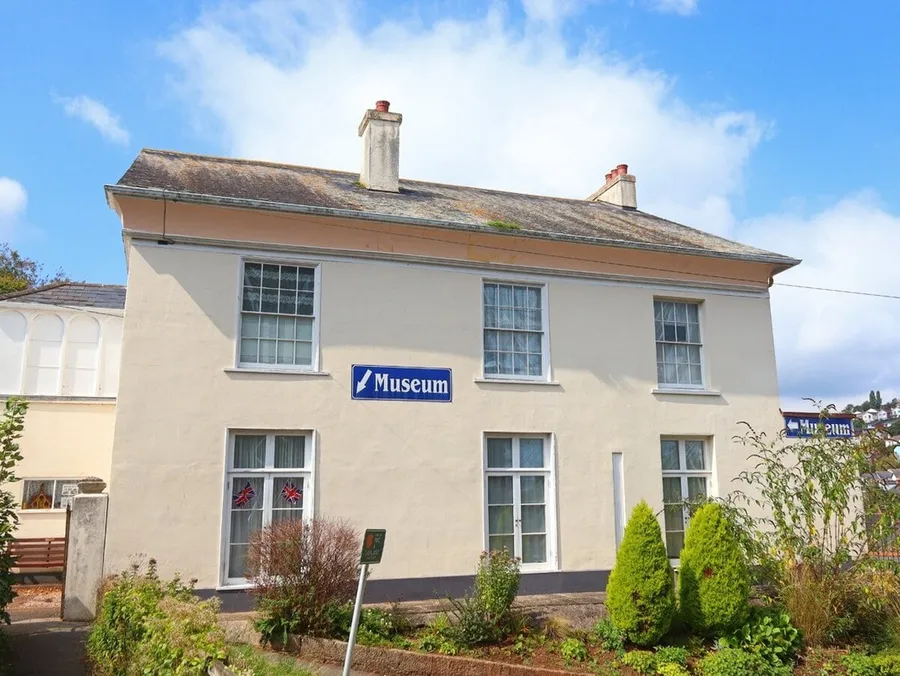
The Knowle stands as the museum’s anchor, a structure raised in 1812 on a modest rise with river views. Over time, it shifted from private residence to doctor’s surgery, council offices, and clinic before the museum claimed it in 1969. Volunteers now steward its eleven rooms across three floors, curating tableaus that trace Dawlish from Victorian bustle to modern resilience. Step inside, and the air carries a faint polish of old wood and paper, the kind that hints at secrets tucked in drawers.
Ground floor sets the scene with everyday echoes. The Industries Room rolls out trades that shaped the town: fishing nets coiled beside a restored fire cart, tools from long-shuttered workshops. Nearby, the Hall and Kitchen revives domestic grit, from crested souvenir china to a Victorian mouse trap rigged with wire and bait.
It is these touches that pull you in, not grand narratives but the grit of lived routine. The Display Room sprawls with maps yellowed at edges, paired photographs of streets then and now, plus nods to black swans on the Exe and violet growers who once blanketed the cliffs.
Carnival floats in miniature and railway relics crowd shelves, while a penny farthing bicycle leans like a forgotten prop.
Upstairs, the first floor softens for younger eyes. Dolls in lace stare from glass cases, teddies slouched in prams, annuals stacked for idle thumbs.
A Victorian parlour hums with a dressmaker’s dummy pinned mid-stitch, an early sewing machine humming silent, a rocking horse chipped from too many rides.
The Porcelain Room gleams under Devon pottery and pressed glass, coronation mugs jostling a hand-carved state coach and an 1845 Broadwood piano, its keys ivory-faded. Then comes the Library, a quiet salute to Piper Bill Millin. His D-Day bagpipes rest here, the ones that skirled over Sword Beach amid gunfire, kilt and beret folded nearby.
Looped footage plays his tale, framed by founder Esla Godfrey’s portrait and her daughter’s tribute plaque. Hundreds of photographs line walls, unspooling Dawlish’s undercurrents: shipwrecks, fairs, faces blurred by time.
Top floor digs deeper into wartime shadows. A WWII general store shelves ration tins and faded labels, an evacuee bedroom rumpled with patched quilts. Geology cases hold estuary fossils, archaeology trays local finds, and a services board lists names etched in loss.
The 2014 storm tableau grips tightest: video of waves clawing the railway, the Orange Army’s diggers battered, repairs chronicled in fresh panels. Children’s corners scatter throughout, with dressing rails, chalk slates, brass rubbings, and a cygnet trail that weaves fact into play.
Reviews paint a warm picture. On TripAdvisor, over 50 visitors rate it 4.5 stars, lauding the “brilliant little museum” for its depth and surprises that stretch visits beyond the hour. “Full of interesting artefacts curated by people who care deeply,” one notes, while another praises the volunteer guides’ yarns.
Families highlight kid-friendly nooks; a few mention steep stairs as a hurdle, though ground-floor access suits most. Yelp echoes the sentiment: “Very interesting and def worth a visit.” Overall, it scores high for evoking place without pretence.
Dawlish Museum
The Knowle
Barton Terrace
Dawlish
EX7 9QH